Okhla Phase-II, New Delhi/ISO 9001 certified/20+ years
Packaging that holds
its standard on the
fourth reprint.
JSS The Print Zone manufactures offset-printed monocartons, rigid boxes, corrugated packaging, sleeves and labels for FMCG, cosmetic, pharmaceutical and D2C brands — printed, die-cut, laminated and finished under one roof in New Delhi.
Prefer to talk it through? Call us·Enquiries answered within 24 hours.
Producing packaging for






Among 20+ brands across cosmetics, personal care, pharmaceutical and FMCG — most of them running recurring monthly volume.
By the numbers
- 70%
- Repeat clients
- 5 Lakh+
- Cartons per month
- 14 days
- Average delivery
- 2 cr+
- Cartons produced
- ₹500 cr+
- Client product shipped
- 10+
- Cities supplied
Customers who reorder rather than re-tender — the site's claim about the fourth reprint, in one number.
Current production capacity across the Okhla Phase-II floor.
From approved sample to dispatch.
Cumulative units since the business was established.
Value of customer product that has gone to market in JSS packaging.
Finished packaging delivered across India, not only Delhi NCR.
Why buyers change supplier
Packaging rarely fails at
the design stage.
It fails four months in, on a repeat order, when the person who approved the sample has moved on and nobody wrote the specification down.
- 01
The colour moves between runs
The second batch does not match the first. Both sit on the same shelf, and the newer pack is the one that looks wrong.
- 02
Work leaves the building
Printing is in-house, but lamination, foiling or die-cutting goes to a job worker. Every handoff adds a day and a place for the schedule to break.
- 03
The structure fails on the line
Cartons that will not square up or pop open cleanly cost more in packing-line downtime than the board saving was ever worth.
- 04
The cheaper quote was not comparable
A lighter board, one less colour, subcontracted finishing. The difference does not show in the quotation — it shows in the rejects.
Each of these traces back to the same root cause: the packaging was bought as a transaction rather than specified as a process. The sections below set out how this is run instead.
Packaging solutions
Six formats, one production floor.
Every format below is printed, cut, finished and assembled in the same facility. Each has its own page covering applications, customisation and the specifications we need in order to quote. Rigid and luxury boxes are handled as a separate segment.
Monocartons
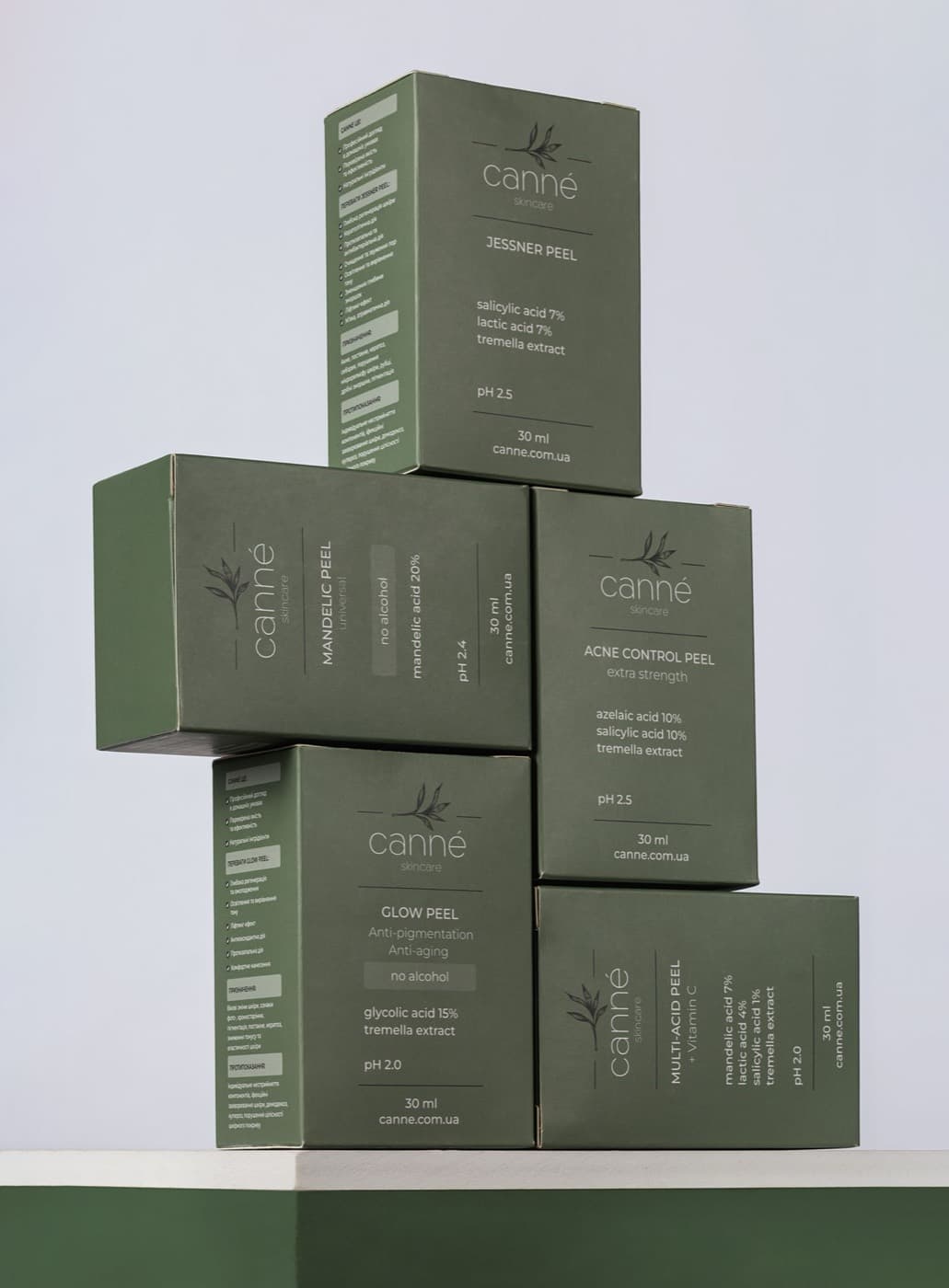
The workhorse retail carton. Offset-printed folding cartons in a single paperboard piece, die-cut and glued to your structure.
View format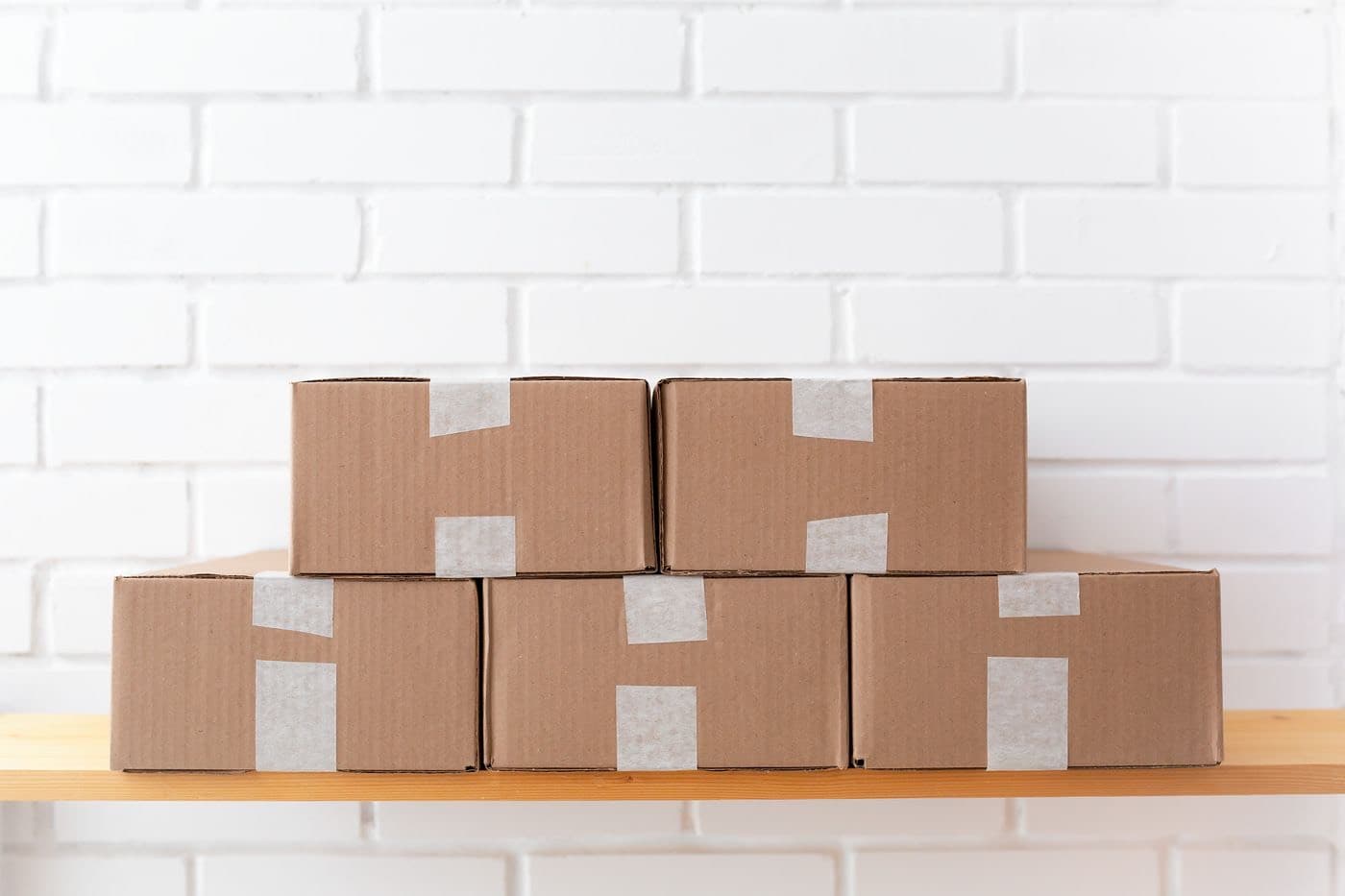
Corrugated Boxes
Shippers, master cartons and e-commerce mailers. Engineered for stacking strength and transit survival, printed to stay on brand.
View format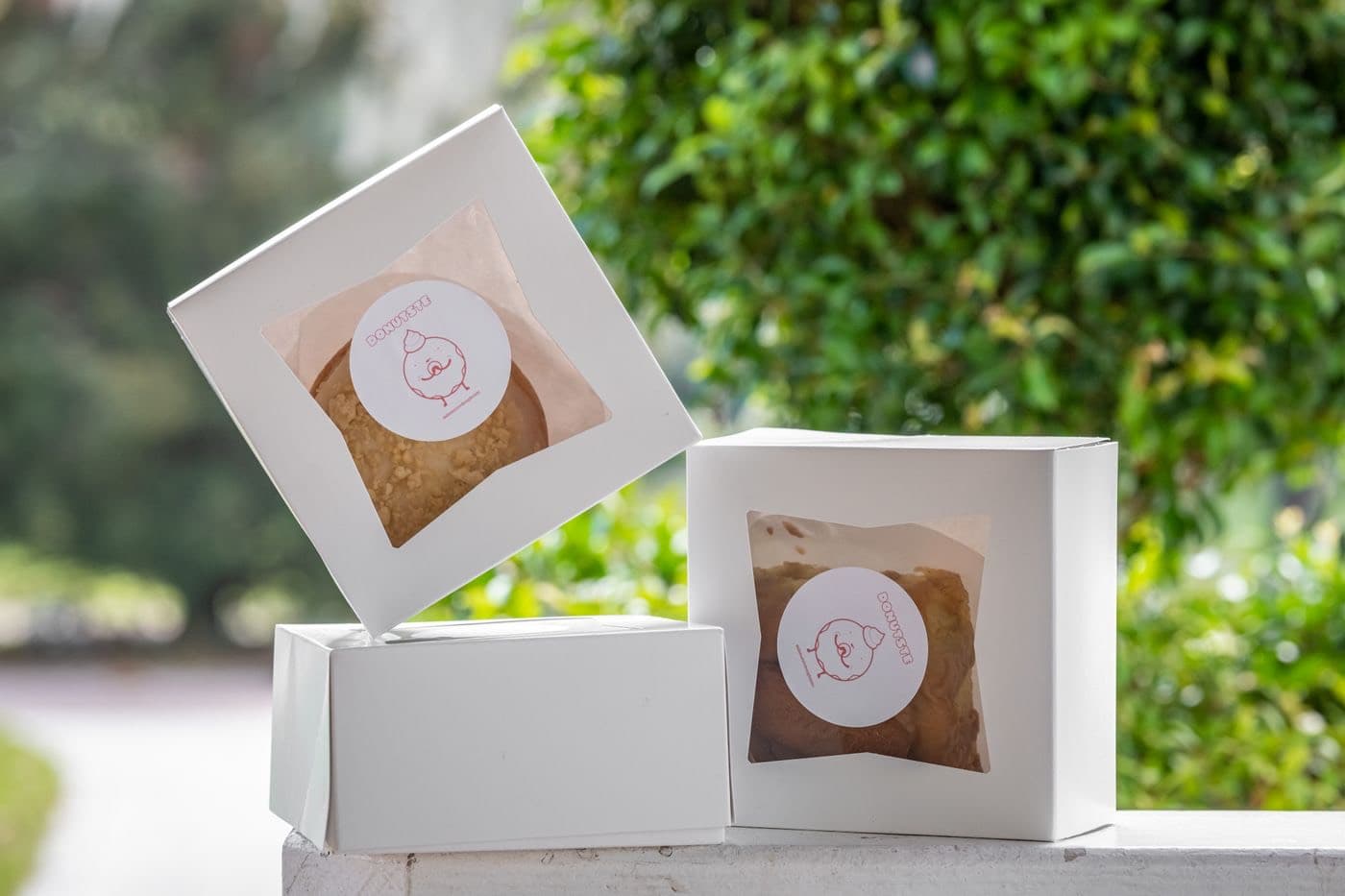
Window Boxes
Cartons with a die-cut aperture and clear film patch, so the product sells itself through the pack.
View format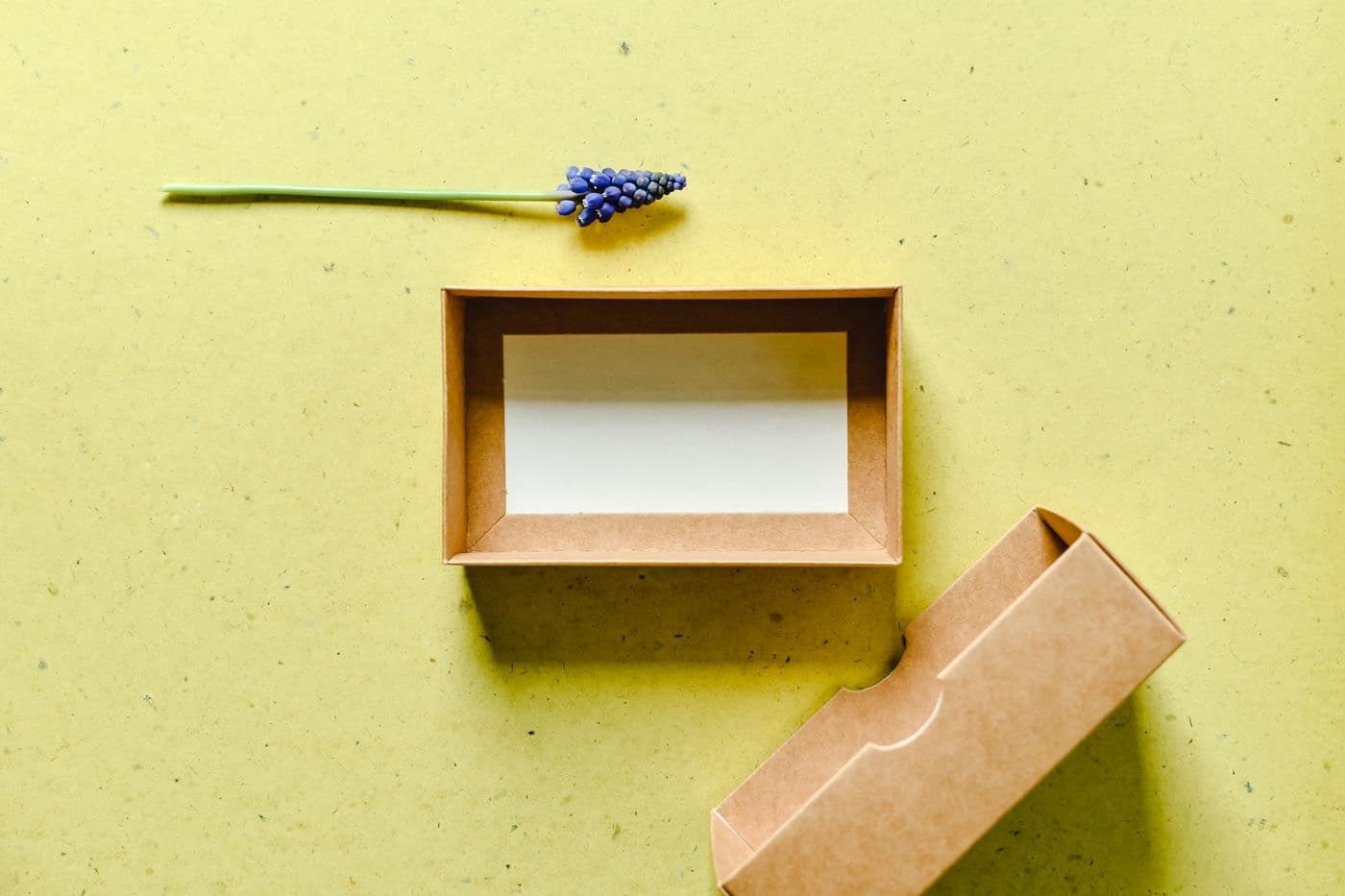
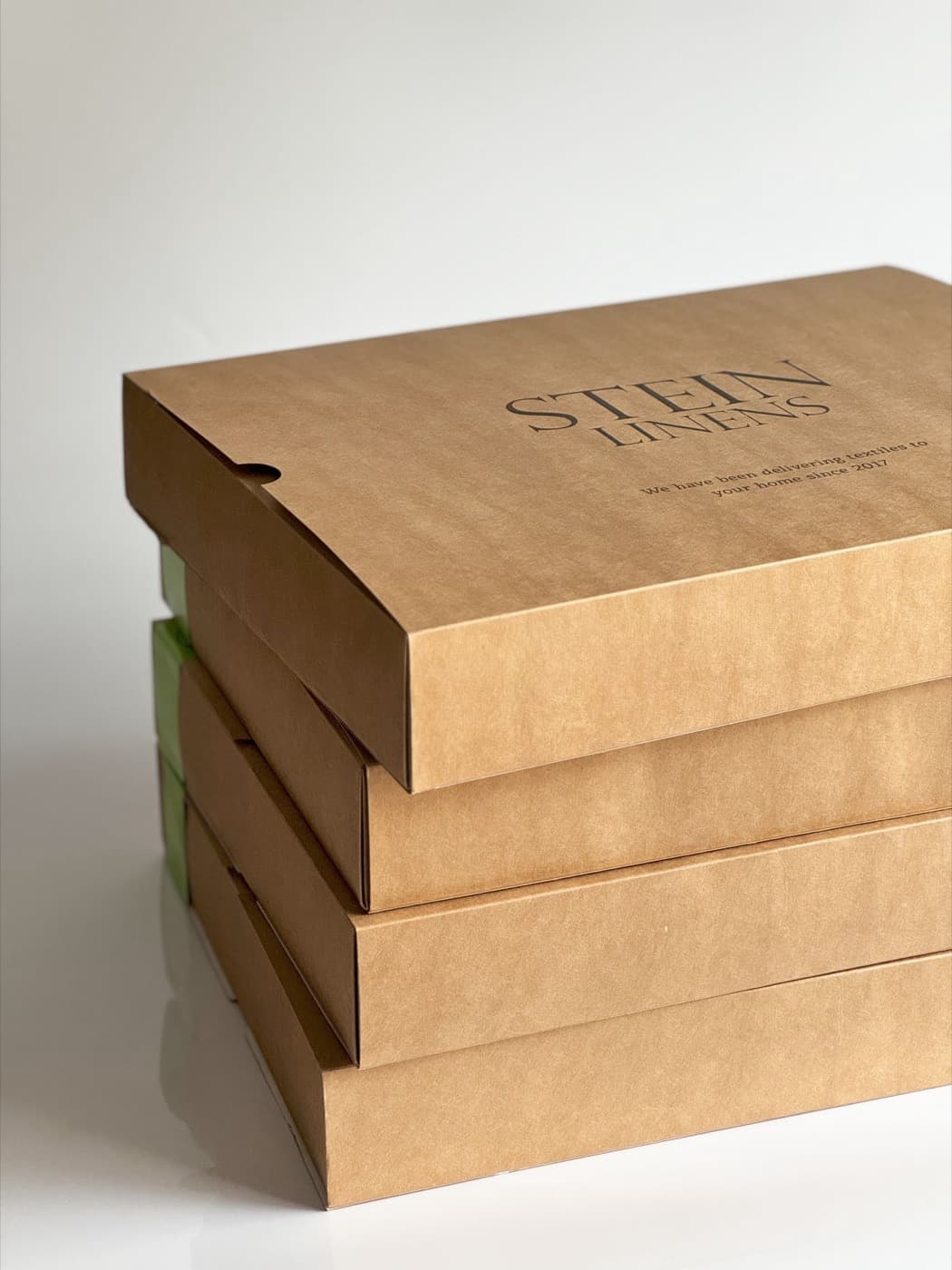
Printed Sleeves
Board sleeves that wrap a tray, box or bundle. The most economical way to run variants without retooling the pack.
View format
Printed Labels
Product labels in sheet or roll form, finished to sit alongside your carton without a colour mismatch.
View format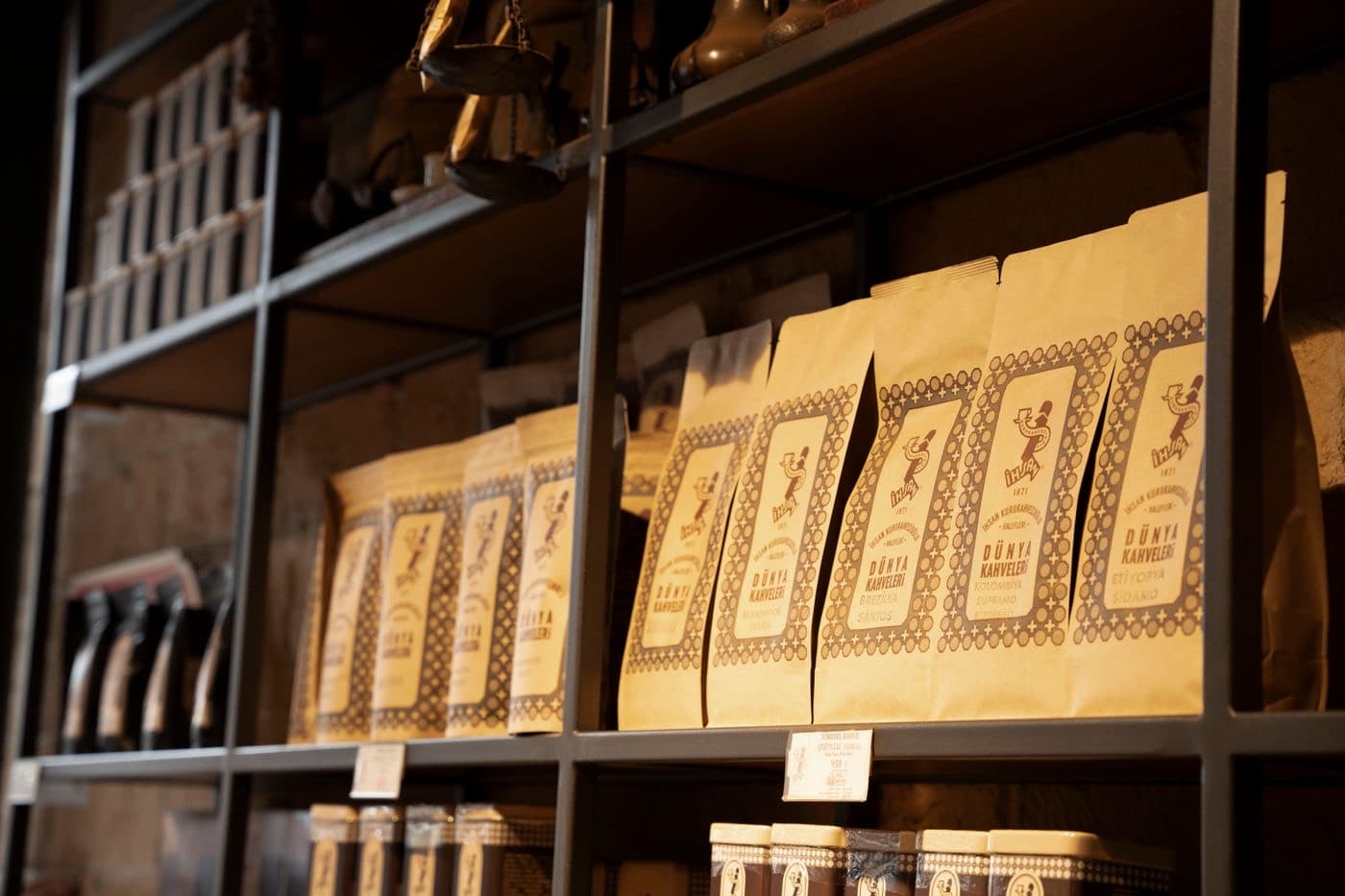
Display & Counter Boxes
Retail-ready units that ship as a carton and open into a merchandising display at the counter.
View formatSomething not on this list?
Most enquiries that start as “custom” turn out to be a variation on a standard structure. Send the product dimensions and we will tell you what it should be.
A separate segment
Rigid boxes are not a bigger carton. They are a different business.
A folding carton is bought on cost per unit. A rigid box is bought on how the product feels in the customer's hands. Different buyer, different criteria, different production discipline — which is why we run it as its own segment rather than as an option on a quotation.
- Lid & base
- Magnetic closure
- Drawer / slide
- Hinged lid
Manufacturing
Everything that touches
your carton happens here.
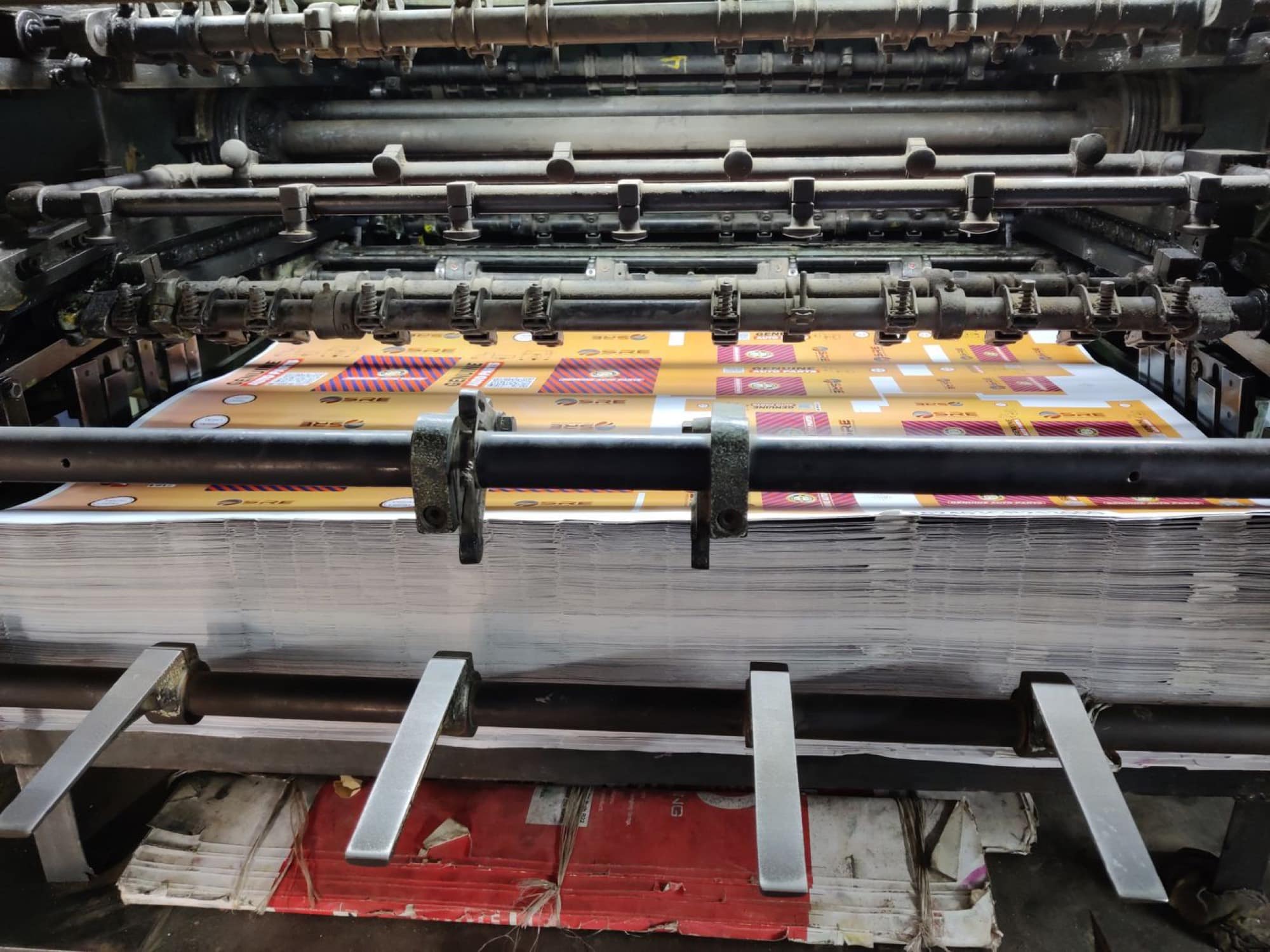
Printing, structural design, die-cutting, lamination, foiling, embossing, window patching, folding and gluing all run in the company's own facility in Okhla Phase-II. Nothing critical is sent out.
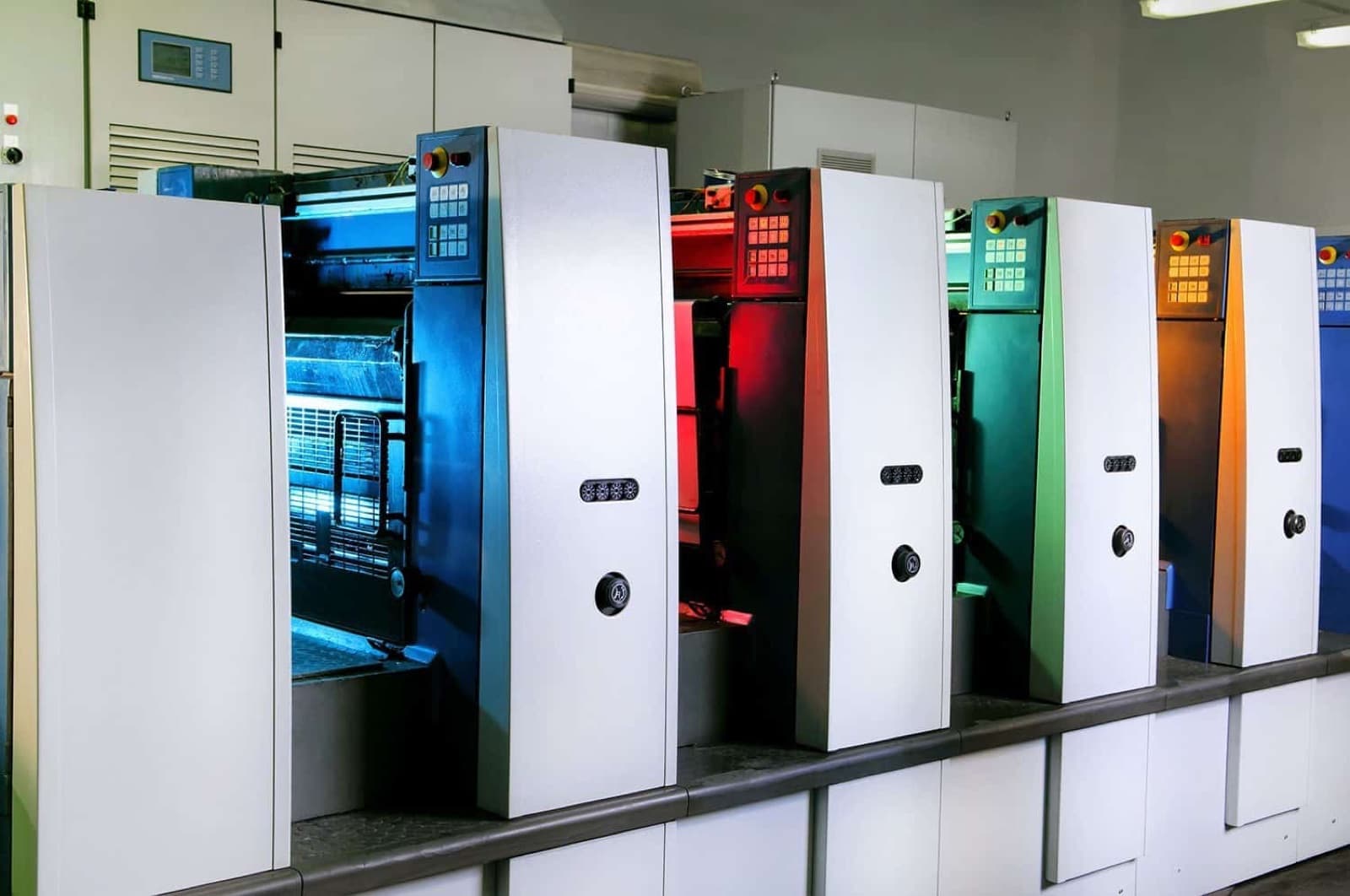
Offset Printing
Sheet-fed offset on Heidelberg presses running 2, 4 and 6 colour work. Offset remains the right process for packaging at volume because it holds fine detail, small type and solid colour areas consistently across a long run — which is what makes a fourth reprint match the first.
- Heidelberg presses in 2C, 4C and 6C configurations
- Process colour plus dedicated Pantone stations for brand shades
- Colour standards recorded per SKU and held for repeat orders
- Printing on paperboard, art paper and litho stock for lamination
Structural Design & Dielines
Packaging fails structurally more often than it fails visually. Dielines are developed against your product dimensions, fill weight and packing method, then physically sampled so the structure is proven before a plate is made.
- Dieline development and adaptation from your product specification
- Structural sampling before production commitment
- Artwork placement checked against cut, crease and glue areas
- Material and GSM recommendations for the intended use
Die-Cutting, Folding & Gluing
Cutting and creasing run in-house. Keeping conversion under the same roof as printing removes the handoffs where registration drifts and schedules slip when work is sent to outside job workers.
- In-house die-cutting and creasing
- Folding and gluing to the specified structure
- Window patching applied on the same floor
- Consistent squaring and pop-open behaviour checked through the run
Lamination & Premium Finishing
Finishing is where a pack earns its price point. Matte, gloss and soft-touch lamination, spot UV, hot foil stamping, embossing and debossing are all executed internally rather than subcontracted.
- Matte, gloss and soft-touch lamination
- Spot UV and texture coatings
- Hot foil stamping in metallic and pigment foils
- Embossing and debossing, blind or registered to print
How an order runs
From enquiry to repeat order.
Most packaging risk sits in the gaps between stages. This is the sequence every job follows, and what has to be signed off before the next step starts.
- 01
Requirement & specification
We work through dimensions, board, print, finish and volume until the specification is unambiguous. Where a requirement is still open, we advise on the trade-off rather than quoting around it.
- 02
Dieline & artwork preparation
The structure is drawn or adapted, and artwork is checked against cut, crease, glue and bleed areas before anything moves forward.
- 03
Sample & approval
A physical sample is produced so the structure and finish can be assessed in hand, not on screen. Production begins only against a signed approval.
- 04
Production
Offset printing, die-cutting, finishing, patching and gluing run in sequence in-house, with in-process checks at each stage under the ISO 9001 quality system.
- 05
Inspection & dispatch
Output is inspected against the approved sample before packing. Consignments are packed for transit and dispatched to your schedule.
- 06
Repeat orders
Board, ink and finishing specifications stay on file, so a reprint months later matches the pack already in market instead of restarting the conversation.
Industries served
Different categories fail in different ways.
What a pharmaceutical buyer needs from a carton is not what a D2C founder needs from one. These are the requirements we work against most often.
Cosmetics & Personal Care
Colour accuracy and finish quality are the category. A shade that drifts between production runs is visible on shelf next to the previous batch.
Monocartons · Rigid Boxes · Window Boxes · Printed Labels
FMCG & Food
High volume, tight schedules and unforgiving retail calendars. The supplier's job is to be predictable, not just capable.
Monocartons · Corrugated Boxes · Printed Sleeves · Display & Counter Boxes
Pharmaceutical & Nutraceutical
Documentation and traceability sit alongside print quality. Every panel carries regulatory weight.
Monocartons · Printed Labels · Corrugated Boxes
D2C & E-commerce
The pack is the only physical touchpoint the brand has. It also has to survive a courier network built for speed, not care.
Rigid Boxes · Corrugated Boxes · Monocartons · Printed Sleeves
Retail & Lifestyle
Wide SKU counts, frequent seasonal refreshes and packaging that has to work as merchandising.
Printed Sleeves · Display & Counter Boxes · Window Boxes · Rigid Boxes
Manufacturing & Industrial
Protection, identification and repeatable supply matter more than shelf appeal.
Corrugated Boxes · Printed Labels · Monocartons
Straight answers
Looking for a packaging manufacturer, but…
Everyone evaluating a supplier is carrying at least one of these. Here they are, answered without the sales layer.
Worried the colour will drift on the reprint
The pack that arrives in month nine has to match the one already on shelf. Board, ink and finishing specifications are recorded per SKU and held on file, so a repeat order is produced against the original standard rather than re-approved from scratch.
Been burned by a supplier who missed the launch date
Most packaging delays come from work being sent out to job workers for die-cutting, lamination or foiling. Printing, cutting, finishing, patching and gluing run in-house here, which removes the handoffs where schedules usually slip.
Not sure the structure will survive our packing line
A physical sample is produced and approved before production starts, so squaring, pop-open behaviour and fit are assessed in hand rather than on a screen.
Confused about which board, GSM or finish you actually need
That is a normal place to start. Tell us the product, how it ships and where it sells, and we will recommend a specification and explain the trade-off — including where a cheaper option is genuinely the right call.
Quoted cheaper elsewhere and unsure what you would be giving up
Ask what the cheaper quote assumes. Board grade, GSM, number of colours and whether finishing is subcontracted are the four variables that move the price — and the ones that later show up as rejects, delays or a pack that reads cheap. We will quote against a stated specification so the comparison is like for like.
Afraid of being treated as a small account
Enquiries go to a person, not a queue. You get a direct phone number and a WhatsApp line, and we respond within 24 hours whether the enquiry is for a first run or an annual contract.
Not ready to enquire yet
Before you finalise any packaging supplier
Most packaging problems are visible in the quotation, not in the delivery. These are the questions worth putting to every supplier you are evaluating — including this one.
We would rather you ask these of every supplier on your list than take our word for anything. If our answers do not hold up against someone else’s, we have not earned the order.
- 01
“Which processes do you run in-house, and which go out to job workers?”
Every external handoff is a place where registration drifts and delivery dates slip. Ask specifically about die-cutting, lamination, foiling and patching.
- 02
“What board grade and GSM is this quotation based on?”
Two quotations are not comparable until the board is stated. This is the single most common reason a cheaper price is not actually cheaper.
- 03
“Will I get a physical sample before production?”
Structural problems are almost impossible to catch on a screen. A supplier unwilling to sample is asking you to carry the risk.
- 04
“How do you hold colour across repeat orders?”
Ask whether specifications are recorded per SKU. If colour is re-approved from scratch each time, expect drift on shelf.
- 05
“What is the committed lead time, measured from what point?”
From enquiry, from artwork approval, or from sample sign-off? The three can differ by weeks.
- 06
“Who is my point of contact once the order is placed?”
A named person who answers the phone is worth more than any brochure claim about service.
- 07
“Are you certified, and to what standard?”
A quality certification is not a guarantee of good work, but it does tell you inspection and release are documented processes rather than habits.
Before you enquire
Questions we get asked first.
- What packaging formats do you manufacture?
- Monocartons, rigid boxes, corrugated boxes, printed sleeves, window patch boxes, display and counter units, and printed labels — along with other custom paper-based packaging. If your requirement does not fit a standard format, send the product dimensions and we will advise on the structure.
- Is production handled in-house or subcontracted?
- Offset printing, die-cutting, lamination, window patching and premium finishing including foiling, embossing and debossing all run in the company's own facility in Okhla Phase-II, New Delhi.
- Are you certified?
- Yes. JSS The Print Zone operates an ISO 9001 certified quality management system, which governs how jobs are planned, produced, inspected and released.
- What is your minimum order quantity?
- Minimum quantity depends on the format, board and finish, because setup effort differs sharply between a plain monocarton and a foiled rigid box. Share your format and target volume and we will confirm the workable minimum for your specification.
- How long does an order take?
- Lead time is driven by the specification, the finishing involved and the quantity. We confirm a firm date against your approved sample rather than quoting a generic figure up front — and we would rather commit to a date we can hold.
- Can you work from our existing dieline and artwork?
- Yes. Send your dieline and print-ready artwork and we will check it against cut, crease, glue and bleed areas before production. If you do not have a dieline, we will develop one from your product dimensions.
Send us your packaging requirement.
Share your format, dimensions and quantity — or just describe the product. We will come back with a specification and a quotation.
Or reach a person directly
Enquiries are answered within 24 hours, by a person who can actually quote your job.